
In many parts of the world, people are seeking meaning and connection in a fast-paced, modern society. Traditional roots, ancestral knowledge, and shared cultural experiences can often feel distant or inaccessible. The term Ciulioneros has emerged as a cultural concept that connects past and present, tradition and creativity, individual identity and community belonging. While it may be new to some audiences in the USA, Ciulioneros is more than a word; it represents a living cultural movement that bridges generations, encourages creative expression, and strengthens communal bonds.
At its core, Ciulioneros is about preserving identity and heritage while embracing modern forms of communication and expression. It allows individuals to honor their cultural roots while expressing themselves creatively in contemporary society. The term has become increasingly relevant online, as people search for ways to connect with cultural traditions, understand their own identity, and participate in communities that value storytelling, music, art, and shared memory. Understanding Ciulioneros requires looking at its historical roots, its cultural symbolism, and the ways it continues to evolve in modern contexts.
Understanding the Concept of Ciulioneros
Ciulioneros represents a cultural identity shaped by storytelling, artistic expression, and communal engagement. Unlike static traditions that exist only in the past, Ciulioneros is a dynamic and evolving practice that integrates history with contemporary life. Communities use Ciulioneros as a framework to preserve generational knowledge, maintain cultural pride, and foster social cohesion. Through oral storytelling, performances, and creative projects, the essence of Ciulioneros is passed down to younger generations in ways that feel meaningful and relevant.
The practice of Ciulioneros also serves as a guide for personal and collective identity. People identify with it because it creates a sense of belonging and shared values. While the term may originate from specific local traditions, its principles of creativity, memory, and connection resonate broadly. Ciulioneros is not only about heritage; it is about participation, living culture, and ensuring that traditions remain active in everyday life. In this sense, it provides both cultural grounding and personal empowerment.
Historical Roots of Ciulioneros
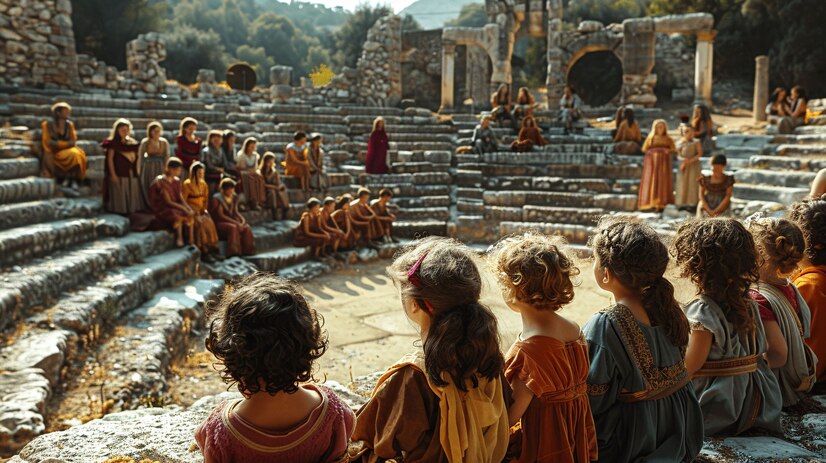
The origins of Ciulioneros lie in oral tradition. In small villages, elders would gather young members of the community around fires, teaching life lessons, social norms, and moral values through storytelling. These gatherings were more than entertainment; they were educational and communal. Over time, the stories told in these circles became symbols of collective identity and cultural resilience. The knowledge shared during these sessions helped communities survive challenging times, passing down wisdom that shaped leadership, cooperation, and a sense of belonging.
As generations continued this practice, Ciulioneros became a broader symbol of identity preservation. The historical significance lies not just in the stories themselves, but in the method of transmission participatory, shared, and deeply connected to the life of the community. Even as societies evolved and global influences increased, the core principles of Ciulioneros heritage, storytelling, and communal participation remained intact, creating a bridge between past traditions and present practices.
Symbolism and Cultural Significance
Ciulioneros carries rich symbolic meaning, reflecting values of unity, resilience, pride, and social connection. Communities regard it as a reminder of shared heritage and as a marker of identity that distinguishes their culture in the broader world. The symbolism of Ciulioneros extends beyond its historical roots; it represents the continuity of culture, the strength of collective memory, and the importance of communal identity.
Through Ciulioneros, cultural pride is reinforced, and social bonds are strengthened. It emphasizes that traditions are not simply relics of the past but are living practices that continue to influence the way communities function today. By engaging with Ciulioneros, individuals actively participate in heritage preservation, ensuring that cultural identity survives even in the face of globalization and rapid societal change.
Ciulioneros as a Form of Cultural Expression
One of the defining features of Ciulioneros is its integration with creative expression. Art, music, literature, poetry, and community performances all serve as vehicles for maintaining and evolving the tradition. Creative expression allows Ciulioneros to adapt to modern contexts without losing its cultural essence. Through these activities, younger generations can participate meaningfully, ensuring the longevity of cultural knowledge.
In visual arts and performance, Ciulioneros often manifests in traditional costumes, colors, and patterns that symbolize ancestry and belonging. Music and dance allow communities to embody shared memory, celebrating resilience and unity while passing traditions to new generations. Literature and storytelling reinterpret historical lessons for contemporary audiences, providing a sense of continuity while inviting personal interpretation and creativity. This blend of tradition and modern expression makes Ciulioneros a living cultural practice rather than a static concept.
Dance and Music in Ciulioneros Traditions
Dance and music are at the heart of Ciulioneros culture. Rhythmic performances, often conducted during festivals or communal gatherings, convey stories, values, and social connections that words alone cannot fully express. Traditional instruments and coordinated movement reinforce collective memory and provide a sense of unity. Participation in these performances strengthens social ties while teaching younger members the importance of heritage.
These artistic practices also serve as intergenerational bridges. Youth learn the significance of their cultural history while experiencing the joy and creativity inherent in performance. The immersive nature of dance and music ensures that cultural knowledge is not abstract but lived and felt in community spaces. This engagement keeps Ciulioneros vibrant and relevant in modern life.
Storytelling and Oral Heritage
Storytelling remains the central pillar of Ciulioneros culture. Elders share wisdom and lessons through narratives, ensuring that knowledge, values, and moral guidance are preserved. These oral traditions are participatory, meaning that listeners are not passive; they learn, question, and eventually contribute their own stories to the communal memory.
In modern contexts, oral heritage has expanded into digital platforms. Podcasts, social media storytelling, online forums, and community blogs allow Ciulioneros culture to reach global audiences. These adaptations ensure that the tradition remains alive, even as the medium evolves. Digital storytelling maintains the essence of Ciulioneros: shared participation, cultural continuity, and the blending of past and present.
Ciulioneros and Community Identity
Ciulioneros strengthens the social fabric of communities by fostering a sense of belonging and shared purpose. In multicultural societies, where migration and globalization can create disconnection, Ciulioneros provides grounding and continuity. It reminds people that identity is rooted not only in individual experience but also in communal memory and heritage.
By engaging with Ciulioneros, communities teach respect for cultural pride and collective values. This engagement builds stronger social bonds and encourages participation across generations. Through its cultural practices, Ciulioneros connects people, reinforces traditions, and ensures that communities maintain a sense of unity even amidst rapid societal change.
Ciulioneros in Modern Culture
Today, Ciulioneros continues to evolve. While it honors traditional roots, it adapts to contemporary life. Online communities, social media platforms, and digital storytelling projects expand the reach of Ciulioneros, allowing it to resonate with younger generations. Festivals, educational programs, and creative collaborations maintain relevance by blending heritage with innovation.
The modern iteration of Ciulioneros emphasizes active participation, creativity, and identity expression. Its values of unity, resilience, pride, and belonging are universal, allowing the tradition to engage broader audiences while preserving the core principles that make it culturally significant.
Artistic Influence of Ciulioneros
Artists, musicians, and writers continue to draw inspiration from Ciulioneros. Literature explores collective memory and ancestral lessons. Visual arts reinterpret traditional symbols, bringing them into contemporary frameworks. Music fuses traditional rhythms with modern soundscapes, creating dynamic expressions of cultural pride.
Through these artistic endeavors, Ciulioneros remains visible in modern creative industries. Its influence ensures that traditions are honored while inspiring new interpretations that keep the culture alive, relevant, and engaging for diverse audiences.
Global Perspective and Relevance
Ciulioneros is no longer limited to local communities. Global festivals, cross-cultural exchanges, and educational programs now introduce its traditions to international audiences. Its core values of pride, resilience, unity, and belonging resonate universally. People seeking connection, heritage, and identity find meaning in Ciulioneros, making it a cultural bridge across societies.
Even in the face of globalization, Ciulioneros adapts without losing its essence. Communities preserve the tradition by balancing innovation and heritage, ensuring it remains a living, evolving practice rather than a relic of the past.
Conclusion
Ciulioneros is more than a cultural term; it is a living tradition that blends storytelling, artistic expression, and community identity. From its roots in oral heritage to its presence in digital spaces, Ciulioneros embodies continuity, belonging, and cultural pride. Its values unity, resilience, and collective memory strengthen communities and allow traditions to survive across generations.
In a rapidly changing world, Ciulioneros reminds us that culture thrives not by standing still but by evolving through creativity, participation, and shared identity. Understanding Ciulioneros is ultimately about recognizing the power of heritage to inspire personal identity, strengthen community bonds, and carry ancestral wisdom into the future.
Read Also: Understanding Hormita How People Use It Today
FAQs About Ciulioneros
What is Ciulioneros
Ciulioneros is a cultural identity rooted in storytelling, heritage, and creative expression.
Where did Ciulioneros originate
It began as an oral tradition in local villages, passed down through generations.
How is Ciulioneros practiced today
Through art, music, literature, performances, and online storytelling platforms.
Who participates in Ciulioneros culture
Community members, artists, youth, and those interested in heritage preservation.
Why is Ciulioneros relevant today
It preserves cultural continuity, strengthens community bonds, and adapts traditions for modern society.
Leave a Reply