
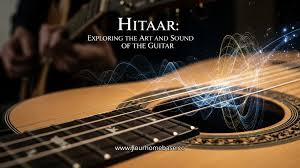
Music has always been an essential part of human culture. Across the world, people use music not only to entertain but to preserve history, express emotion, and create connections. One instrument that embodies all of these qualities is the Hitaar. The Hitaar is a traditional stringed instrument with deep roots in South Asian and Arab cultures. Its resonant and emotive sound allows musicians to tell stories, accompany dance, and evoke powerful feelings in listeners. Although its origins are traditional, the instrument has evolved to remain relevant in contemporary music, bridging the gap between history and modern artistic expression.
The term Hitaar refers specifically to this stringed instrument and its role in cultural life. Beyond being a musical tool, the Hitaar represents storytelling, community, and heritage. People today use it in weddings, festivals, modern fusion music, and personal practice, emphasizing both its versatility and its emotional power. Understanding the Hitaar requires looking at its historical roots, physical structure, performance techniques, cultural significance, and modern adaptations.
The Cultural and Historical Significance of Hitaar
The Hitaar is more than an instrument; it is a symbol of cultural continuity. Its origins trace back hundreds of years to communities where music and storytelling were inseparable. In these traditions, elders would play the Hitaar while narrating tales of history, heroism, or local legends. The instrument’s sound created a shared emotional experience, linking listeners to their heritage while also teaching values, life lessons, and communal identity.
Traditionally, the Hitaar is central to weddings, festivals, and community celebrations. Its presence in these events goes beyond entertainment—it creates atmosphere, conveys emotion, and reinforces social bonds. In storytelling sessions, the plucking of the Hitaar strings guides the narrative, accentuating dramatic moments, joyful celebrations, or solemn reflections. Communities often view Hitaar performances as a living archive, preserving history and collective memory in a way that written records cannot fully capture.
Physical Structure of Hitaar
The Hitaar is crafted carefully from wood, chosen for its resonance and durability. Its body is hollowed to amplify sound, and it is fitted with multiple strings that are plucked or strummed. The number of strings can vary, and their tension is adjusted to produce the desired tonal quality. Each instrument is unique because variations in wood, string type, and craftsmanship create subtle differences in tone and resonance.
Beyond functionality, Hitaar instruments often feature aesthetic artistry. Decorative carvings, traditional patterns, or polished finishes reflect the culture and heritage from which the instrument originates. Understanding the Hitaar’s structure is essential for anyone seeking to play it. Musicians learn how to balance string tension, plucking pressure, and hand positioning to create melodies that carry emotional depth. The craftsmanship behind each Hitaar also reinforces the connection between music and culture, reminding players and listeners of the instrument’s cultural value.
Playing the Hitaar
Mastering the Hitaar is both a technical and cultural journey. Musicians pluck the strings in rhythmic patterns, sometimes following specific traditional techniques or improvising based on the story or emotion they wish to convey. Performances are often immersive experiences, combining the instrument’s sound with dance, poetry, and audience interaction.
Learning to play the Hitaar goes beyond memorizing scales. Players study the history behind songs, the meaning of the melodies, and the cultural significance of the rhythms. Each performance is therefore both musical and narrative. Even within a single region, players often interpret traditional compositions differently, which allows for creativity while respecting cultural roots. The process of learning the Hitaar instills discipline, patience, and a deep understanding of heritage.
Hitaar in Traditional Music
Historically, the Hitaar is associated with folk music and community storytelling. Its sound accompanies ceremonies, weddings, and seasonal festivals, providing rhythm, harmony, and emotional depth. The instrument’s music is often intertwined with dance, ensuring that performances are not only heard but also physically experienced.
Folk musicians use the Hitaar to tell stories of love, courage, and history. Improvisation is a key element, as performers adapt melodies to the audience, the setting, or the story being told. This flexibility makes each performance unique, yet rooted in tradition. The combination of music, narrative, and communal participation ensures that the Hitaar remains a living instrument rather than a museum piece.
Hitaar in Contemporary Music
In modern times, the Hitaar has found new life in fusion genres, contemporary performances, and digital music platforms. Musicians integrate its traditional sound into electronic music, jazz, world music, and pop, creating a bridge between heritage and innovation. This versatility allows the instrument to reach global audiences and remain culturally relevant.
Modern performers often use recording techniques, amplification, or digital editing to enhance the Hitaar’s sound while maintaining its characteristic resonance. Its emotive qualities make it ideal for music therapy, meditation, and relaxation practices. In these modern contexts, the Hitaar not only entertains but also promotes emotional wellbeing, connecting listeners to both tradition and personal reflection.
Emotional and Social Impact
The Hitaar’s impact extends beyond music. Its sound creates a sense of intimacy, community, and emotional resonance. Whether played at a small gathering or a large festival, the instrument invites participation and fosters shared experience. People listening to the Hitaar often feel connected to cultural heritage, the performer, and each other.
In social settings, the Hitaar provides a focal point for celebration and reflection. Its music strengthens communal bonds, reinforces identity, and inspires cultural pride. The instrument’s emotive power demonstrates why it continues to hold a vital role in both traditional and modern societies.
Learning and Mastering Hitaar
Learning the Hitaar requires patience, dedication, and respect for its history. Students often begin under the guidance of skilled musicians or family elders. They practice scales, finger techniques, and strumming patterns while studying the stories and cultural meanings behind the melodies.
The journey of mastering the Hitaar is as much about cultural understanding as musical skill. Players develop an appreciation for heritage and storytelling while refining their musical abilities. Over time, mastery allows musicians to perform with authenticity, creativity, and emotional depth.
Global Reach of Hitaar
Although the Hitaar originates in South Asian and Arab cultures, its influence is spreading globally. Musicians around the world incorporate the instrument into fusion genres and collaborative projects. International festivals and digital platforms have also made it easier for people everywhere to learn, play, and enjoy the instrument.
Global exposure ensures that the Hitaar remains relevant in a modern context. By connecting tradition with innovation, it continues to inspire musicians and audiences alike. Its cultural, emotional, and artistic significance transcends borders, demonstrating music’s universal power.
Conclusion
The Hitaar is not just a stringed instrument. It is a bridge between generations, a storyteller, and a keeper of cultural heritage. From its historical roots in folk traditions to its modern presence in fusion and digital music, the Hitaar continues to inspire, educate, and connect communities.
Its rich, resonant sound evokes emotion, its performances foster connection, and its cultural symbolism strengthens identity. By understanding and engaging with the Hitaar, people can experience music as both an art form and a living tradition. The Hitaar reminds us that culture thrives not by standing still, but by evolving through creativity, participation, and emotional connection.
Read Also: What Is bcn play Complete Explanation and Meaning 2026
FAQs About Hitaar
What is Hitaar
Hitaar is a traditional stringed instrument from South Asian and Arab cultures, used for music and storytelling.
How is Hitaar played
It is played by plucking or strumming strings, often combined with improvisation and rhythm.
Where is Hitaar used
It is commonly used in weddings, festivals, folk music, and cultural performances.
Can Hitaar be used in modern music
Yes, it is used in fusion, contemporary, and experimental music.
Why is Hitaar important
It preserves cultural heritage, creates community connection, and evokes deep emotions.
Leave a Reply